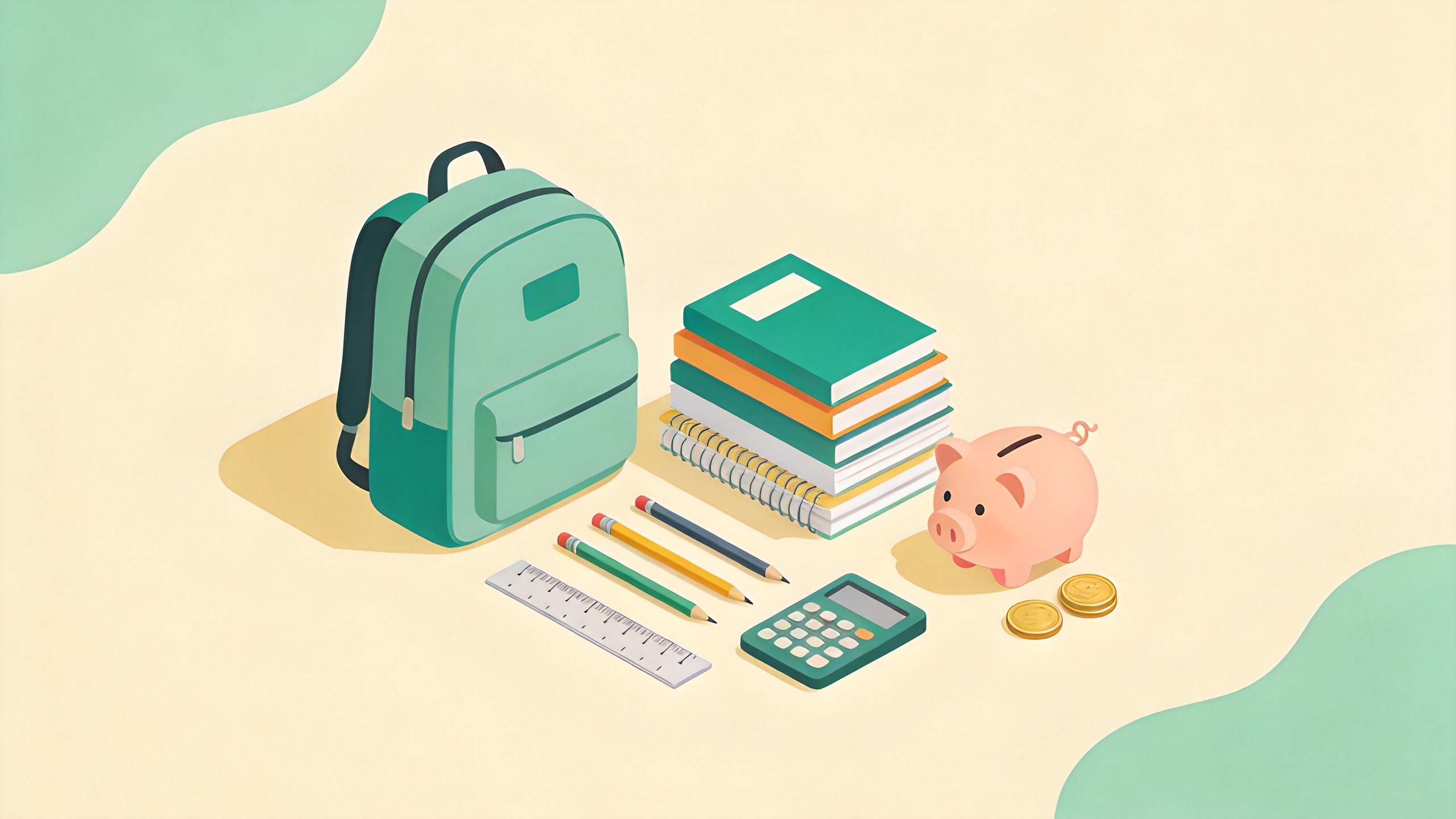
The summer break is ending, and for millions of Pakistani families a familiar bill is about to arrive all at once: a new school year. Admission or re-registration, textbooks, a uniform that no longer fits, shoes, a bag, stationery — and often a van fare — tend to land in the same two or three weeks. It is one of the heaviest one-time expenses a household faces all year, and it rarely lines up neatly with a single payday.
The good news: back-to-school is predictable. You know it is coming, which means it can be planned for. This guide is about turning that one big, stressful bill into something manageable — without cutting corners that matter for your child.
What a new school year really costs
The first step is to stop guessing and see the full number. For 2026, Pakistani media put the cost of getting a single child ready for the new term at roughly Rs.20,000 to Rs.30,000 — admission, books, uniform and supplies combined — with the load multiplying for families with more than one school-going child (The Express Tribune, 2026).
A typical breakdown reported this year:
- Admission / registration: private-school admission charges commonly reach up to around Rs.5,000.
- Textbooks: roughly Rs.500–2,000 for lower grades, and Rs.800–2,600 for middle and high school.
- Uniform, shoes and bag: a uniform around Rs.3,000, shoes Rs.2,500–5,000, and a school bag Rs.1,500–5,000 depending on quality.
- Stationery and other charges: copies, a geometry box, exam or annual fees, and transport on top.
Your numbers will differ — a government school costs far less than a private one — but the exercise is the same: write down every line before the term starts. A cost you can see is a cost you can plan for. A cost that surprises you is the one that turns into debt.
Why it hits harder in 2026
If it feels heavier this year, that is not your imagination. Inflation was 11.1% year-on-year in June 2026 (Pakistan Bureau of Statistics) — down slightly from May, but still well above the State Bank comfort zone and layered on top of years of rising prices. Books, cloth for uniforms, shoes, paper and transport have all climbed along with everything else.
That is exactly why a plan matters more than in an easier year: when each item costs more, the one-time spike is bigger, and the margin for a nasty surprise is smaller.
Turn one big bill into small monthly amounts
The single most useful habit is to stop treating school costs as a sudden emergency and start treating them as a scheduled, once-a-year expense you save toward.
- Start a school fund. As soon as you know the term is coming, set aside a small fixed amount every month specifically for school. Rs.2,000 a month for a few months is far easier to find than Rs.20,000 in one week.
- Pay it first, not last. On the day your salary arrives, move the school money aside before you spend — the same way you would an emergency fund.
- Reuse last year’s plan. School costs repeat every year. Whatever you set aside this time, keep the habit going for next August, and you will never face the full spike cold again.
Even if the term is already here and you did not save in advance, you can still spread the load: pay what is urgent now (admission, core books), and stagger the rest — a second pair of shoes, extra stationery — across the next paycheck or two.
Honest ways to cut the bill
Cutting the cost does not have to mean cutting your child short. Most of the savings come from resisting pressure, not from buying worse:
- Uniforms: reuse last year’s if it still fits, hand down between siblings, or have one altered rather than buying a full new set every year.
- Books: good-quality used textbooks work exactly as well as new ones. Buy second-hand, or share and swap with other parents in the class.
- Bags and shoes: buy for durability, not for a brand or a cartoon character. A sturdy plain bag lasts longer than a flashy one that tears by winter.
- Stationery: buy the basics in bulk and skip the expensive novelty items. Children lose pencils; they do not need designer ones.
- Ask the school. Many schools offer instalment plans for fees, sibling discounts, or need-based concessions and scholarships — but only if you ask. It is a normal question, and it is worth asking early.
Needs versus wants at back-to-school time
Back-to-school marketing is built to blur the line between what a child needs and what a child wants. Keeping that line clear is where the real savings live.
- Needs: admission, required books, a uniform that fits, safe shoes, basic stationery. These are non-negotiable.
- Wants: the branded bag, the character water bottle, the newest gadget “for studies,” the third pair of shoes. Those are real spending — but they are not the school bill, and they do not belong in it.
None of this means saying no to your child on everything. It means paying for the education first, and treating the extras as separate, optional spending you decide on with a clear head.
If you have to borrow
Even with planning, a genuine shortfall can happen — a job gap, a medical bill in the same month, a fee that rose more than expected. Borrowing to keep a child in school can be a reasonable decision. But it should be a considered one, not a reflex.
- Borrow only the shortfall, not a round number bigger than you need.
- Use a licensed lender. In Pakistan that means an SECP-regulated provider with transparent, disclosed costs — never an unlicensed app or an informal lender who hides the real price.
- Check the repayment first. Before you take anything, make sure the repayment fits your budget for the months ahead. If it does not, borrow less.
A loan is a tool for a specific gap, not a substitute for a plan. Plan first; borrow last, and only what you need.
The new school year will cost what it costs — but whether it arrives as a manageable, expected expense or a debt-inducing shock is largely down to when you start preparing. List the full bill, set aside a little each month, cut the extras without cutting the essentials, and keep any borrowing small, licensed and planned. Your child gets the same start to the year either way; your household just gets there with far less stress.
Published by MoneyTap, an SECP-regulated digital lending service operated by ZANDA Financial Services (Pvt.) Ltd. This article is general financial education, not financial advice. Figures are sourced from the Pakistan Bureau of Statistics (June 2026) and Pakistani media reports (The Express Tribune; TechJuice, 2026); actual costs vary by school, city and grade.
پاکستان میں نیا تعلیمی سال: فیس، کتابوں اور یونیفارم کا بجٹ کیسے بنائیں
گرمیوں کی چھٹیاں ختم ہو رہی ہیں، اور لاکھوں پاکستانی گھرانوں کے لیے ایک جانا پہچانا بل ایک ساتھ آنے والا ہے: نیا تعلیمی سال۔ داخلہ یا دوبارہ رجسٹریشن، کتابیں، وہ یونیفارم جو اب پورا نہیں آتا، جوتے، بستہ، اسٹیشنری — اور اکثر وین کا کرایہ — سب انہی دو تین ہفتوں میں آ جاتے ہیں۔ یہ سال بھر کے سب سے بھاری یک بارگی اخراجات میں سے ایک ہے، اور یہ کبھی ایک تنخواہ کے ساتھ صفائی سے میل نہیں کھاتا۔
اچھی خبر: بیک ٹو اسکول قابلِ پیش گوئی ہے۔ آپ کو معلوم ہے کہ یہ آ رہا ہے، یعنی اس کی منصوبہ بندی ہو سکتی ہے۔ یہ گائیڈ اسی ایک بڑے، پریشان کن بل کو قابلِ برداشت بنانے کے بارے میں ہے — اُن چیزوں میں کٹوتی کیے بغیر جو آپ کے بچے کے لیے اہم ہیں۔
نئے تعلیمی سال کا اصل خرچ کتنا ہے
پہلا قدم اندازہ لگانا چھوڑ کر پورا عدد دیکھنا ہے۔ 2026 کے لیے پاکستانی میڈیا نے ایک بچے کو نئے سال کے لیے تیار کرنے کا خرچ تقریباً 20,000 تا 30,000 روپے بتایا — داخلہ، کتابیں، یونیفارم اور سامان ملا کر — اور ایک سے زیادہ زیرِ تعلیم بچوں والے گھرانوں کے لیے یہ بوجھ کئی گنا (دی ایکسپریس ٹریبیون، 2026)۔
اس سال رپورٹ ہونے والا ایک عام تخمینہ:
- داخلہ / رجسٹریشن: نجی اسکولوں کی داخلہ فیس عام طور پر تقریباً 5,000 روپے تک۔
- کتابیں: نچلی جماعتوں کے لیے تقریباً 500 تا 2,000 روپے، اور مڈل و ہائی اسکول کے لیے 800 تا 2,600 روپے۔
- یونیفارم، جوتے اور بستہ: یونیفارم تقریباً 3,000 روپے، جوتے 2,500 تا 5,000 روپے، اور بستہ معیار کے مطابق 1,500 تا 5,000 روپے۔
- اسٹیشنری اور دیگر اخراجات: کاپیاں، جیومیٹری باکس، امتحان یا سالانہ فیس، اور اوپر سے آمدورفت۔
آپ کے اعداد مختلف ہوں گے — سرکاری اسکول نجی سے کہیں سستا ہے — لیکن کام وہی ہے: سال شروع ہونے سے پہلے ہر مد لکھ لیں۔ جو خرچ آپ کو نظر آ جائے، اُس کی منصوبہ بندی ہو سکتی ہے۔ جو خرچ اچانک آئے، وہی قرض میں بدلتا ہے۔
2026 میں یہ زیادہ بھاری کیوں لگتا ہے
اگر یہ اس سال زیادہ بھاری لگتا ہے تو یہ آپ کا وہم نہیں۔ جون 2026 میں مہنگائی سال بہ سال 11.1% رہی (پاکستان بیورو آف اسٹیٹسٹکس) — مئی سے تھوڑی کم، مگر پھر بھی اسٹیٹ بینک کے آرام دہ دائرے سے کہیں اوپر، اور برسوں کی بڑھتی قیمتوں کے اوپر۔ کتابیں، یونیفارم کا کپڑا، جوتے، کاغذ اور آمدورفت سب باقی ہر چیز کے ساتھ مہنگے ہوئے ہیں۔
یہی وجہ ہے کہ کسی آسان سال کی نسبت اب منصوبہ زیادہ اہم ہے: جب ہر چیز مہنگی ہو، تو یک بارگی بوجھ بھی بڑا ہوتا ہے، اور کسی ناگہانی جھٹکے کی گنجائش کم۔
ایک بڑے بل کو چھوٹی ماہانہ رقموں میں بدلیں
سب سے کارآمد عادت یہ ہے کہ اسکول کے خرچ کو اچانک ایمرجنسی سمجھنا چھوڑ دیں اور اسے سال میں ایک بار کا طے شدہ خرچ سمجھیں جس کے لیے آپ پہلے سے بچت کرتے ہیں۔
- ایک اسکول فنڈ شروع کریں۔ جیسے ہی معلوم ہو کہ سال آ رہا ہے، ہر مہینے خاص اسکول کے لیے ایک چھوٹی مقررہ رقم الگ کریں۔ چند مہینے 2,000 روپے ماہانہ الگ کرنا، ایک ہفتے میں 20,000 روپے نکالنے سے کہیں آسان ہے۔
- پہلے دیں، آخر میں نہیں۔ تنخواہ کے دن، خرچ سے پہلے اسکول کے پیسے الگ کر دیں — بالکل ایمرجنسی فنڈ کی طرح۔
- پچھلے سال کا منصوبہ دہرائیں۔ اسکول کے اخراجات ہر سال آتے ہیں۔ اس بار جو رکھیں، وہی عادت اگلے اگست کے لیے جاری رکھیں — پھر آپ کو کبھی پورا بوجھ اچانک نہیں اٹھانا پڑے گا۔
اور اگر سال پہلے ہی آ چکا ہے اور آپ نے پہلے سے بچت نہیں کی، تب بھی بوجھ بانٹا جا سکتا ہے: جو فوری ہے (داخلہ، بنیادی کتابیں) وہ ابھی ادا کریں، اور باقی — دوسری جوڑی جوتے، اضافی اسٹیشنری — اگلی ایک دو تنخواہوں پر پھیلا دیں۔
بل کم کرنے کے ایماندار طریقے
خرچ کم کرنے کا مطلب بچے کے ساتھ کنجوسی نہیں۔ زیادہ تر بچت بدتر چیزیں خریدنے سے نہیں، دباؤ کے آگے نہ جھکنے سے آتی ہے:
- یونیفارم: اگر پورا آتا ہے تو پچھلے سال کا استعمال کریں، بہن بھائیوں میں منتقل کریں، یا ہر سال نیا مکمل سیٹ خریدنے کے بجائے ایک کو ٹھیک کروا لیں۔
- کتابیں: اچھی حالت کی پرانی کتابیں بالکل نئی جیسی کام دیتی ہیں۔ سیکنڈ ہینڈ لیں، یا کلاس کے دوسرے والدین سے تبادلہ اور اشتراک کریں۔
- بستے اور جوتے: برانڈ یا کارٹون کردار کے لیے نہیں، مضبوطی کے لیے خریدیں۔ ایک سادہ مضبوط بستہ اُس چمکیلے سے زیادہ چلتا ہے جو سردیوں تک پھٹ جائے۔
- اسٹیشنری: بنیادی چیزیں تھوک میں لیں اور مہنگی نئی نویلی اشیاء چھوڑ دیں۔ بچے پنسلیں کھو دیتے ہیں؛ انہیں مہنگی ڈیزائنر پنسلوں کی ضرورت نہیں۔
- اسکول سے پوچھیں۔ بہت سے اسکول فیس کے لیے اقساط، بہن بھائی رعایت، یا ضرورت کی بنیاد پر رعایت اور وظائف دیتے ہیں — لیکن صرف تب جب آپ پوچھیں۔ یہ ایک عام سوال ہے، اور جلد پوچھنا فائدہ مند ہے۔
بیک ٹو اسکول کے وقت ضرورت اور خواہش میں فرق
بیک ٹو اسکول کی مارکیٹنگ اسی لیے بنی ہے کہ بچے کی ضرورت اور خواہش کے درمیان لکیر دھندلا دے۔ اسی لکیر کو واضح رکھنے میں اصل بچت ہے۔
- ضروریات: داخلہ، مقررہ کتابیں، پورا آنے والا یونیفارم، محفوظ جوتے، بنیادی اسٹیشنری۔ یہ ناگزیر ہیں۔
- خواہشات: برانڈڈ بستہ، کردار والی پانی کی بوتل، "پڑھائی کے لیے" نیا گیجٹ، جوتوں کی تیسری جوڑی۔ یہ حقیقی خرچ ہیں — مگر یہ اسکول کا بل نہیں، اور اس میں شامل نہیں ہونے چاہئیں۔
اس کا مطلب بچے کو ہر بات پر نہ کہنا نہیں۔ مطلب یہ ہے کہ پہلے تعلیم کا خرچ ادا کریں، اور اضافی چیزوں کو الگ، اختیاری خرچ سمجھیں جس کا فیصلہ آپ ٹھنڈے دل سے کریں۔
اگر قرض لینا ہی پڑے
منصوبے کے باوجود بھی حقیقی کمی آ سکتی ہے — نوکری میں وقفہ، اسی مہینے کوئی طبی بل، یا فیس جو اندازے سے زیادہ بڑھ گئی۔ بچے کو اسکول میں رکھنے کے لیے قرض لینا معقول فیصلہ ہو سکتا ہے۔ مگر یہ سوچا سمجھا ہو، عادتاً نہیں۔
- صرف کمی کے برابر لیں، ضرورت سے بڑا گول عدد نہیں۔
- لائسنس یافتہ ادارے سے لیں۔ پاکستان میں اس کا مطلب ہے ایس ای سی پی سے ریگولیٹڈ ادارہ جس کے اخراجات شفاف اور ظاہر ہوں — کبھی کوئی غیر لائسنس یافتہ ایپ یا غیر رسمی قرض خواہ نہیں جو اصل قیمت چھپائے۔
- پہلے واپسی جانچیں۔ کچھ لینے سے پہلے یقینی بنائیں کہ آنے والے مہینوں میں واپسی آپ کے بجٹ میں فٹ ہے۔ اگر نہیں، تو کم لیں۔
قرض کسی مخصوص کمی کا اوزار ہے، منصوبے کا متبادل نہیں۔ پہلے منصوبہ؛ قرض آخر میں، اور صرف اتنا جتنی ضرورت ہو۔
نیا تعلیمی سال جتنا خرچ مانگتا ہے وہ تو مانگے گا — لیکن یہ ایک قابلِ برداشت، متوقع خرچ بن کر آتا ہے یا قرض میں دھکیلنے والا جھٹکا، اس کا زیادہ تر انحصار اس پر ہے کہ آپ تیاری کب شروع کرتے ہیں۔ پورا بل لکھیں، ہر مہینے تھوڑا الگ کریں، ضروریات میں کٹوتی کیے بغیر اضافی چیزیں کم کریں، اور کوئی بھی قرض چھوٹا، لائسنس یافتہ اور منصوبہ بند رکھیں۔ بچے کو دونوں صورتوں میں سال کا وہی آغاز ملے گا؛ آپ کا گھر بس وہاں تک کہیں کم دباؤ کے ساتھ پہنچے گا۔
شائع کردہ: منی ٹیپ، ایک ایس ای سی پی سے ریگولیٹڈ ڈیجیٹل قرض سروس جو زنڈہ فنانشل سروسز (پرائیویٹ) لمیٹڈ چلاتی ہے۔ یہ مضمون عمومی مالی تعلیم ہے، مالی مشورہ نہیں۔ اعداد پاکستان بیورو آف اسٹیٹسٹکس (جون 2026) اور پاکستانی میڈیا رپورٹس (دی ایکسپریس ٹریبیون؛ ٹیک جوس، 2026) سے لیے گئے ہیں؛ اصل اخراجات اسکول، شہر اور جماعت کے مطابق مختلف ہوتے ہیں۔
Frequently Asked Questions
How much does back-to-school cost for one child in Pakistan?
Media reports in 2026 put it at roughly Rs.20,000 to Rs.30,000 per child for admission, books, uniform, shoes, bag and stationery combined. It is higher for private schools and for families with more than one child. (The Express Tribune, 2026)
Why do school costs feel higher this year?
Because prices across the board are up. Inflation was 11.1% year-on-year in June 2026 (Pakistan Bureau of Statistics), which pushes up the cost of books, uniforms, transport and supplies along with everything else.
How can I plan for school expenses on a tight salary?
List every cost before the term starts, then begin a small school fund and set money aside each month, so the bill is spread across two or three paydays instead of hitting one. Even small, regular amounts make the lump sum manageable.
How can I reduce back-to-school costs without hurting my child?
Reuse or hand down uniforms, buy good-quality used textbooks or share with other families, buy stationery in bulk, avoid brand pressure on bags and shoes, and ask the school about instalment plans, sibling discounts or scholarships.
Is it okay to take a loan for school fees?
A loan can help with a genuine, short-term shortfall, but it should be a considered choice, not a reflex. Borrow only what you need, from an SECP-licensed lender, and only if the repayment fits your budget. Plan first; borrow last.
اکثر پوچھے گئے سوالات
پاکستان میں ایک بچے کے بیک ٹو اسکول اخراجات کتنے ہیں؟
2026 کی میڈیا رپورٹس کے مطابق داخلہ، کتابیں، یونیفارم، جوتے، بستہ اور اسٹیشنری ملا کر فی بچہ تقریباً 20,000 تا 30,000 روپے۔ نجی اسکولوں اور ایک سے زیادہ بچوں والے گھرانوں کے لیے یہ زیادہ ہے۔ (دی ایکسپریس ٹریبیون، 2026)
اس سال اسکول کے اخراجات زیادہ کیوں لگتے ہیں؟
کیونکہ ہر چیز کی قیمت بڑھی ہے۔ جون 2026 میں مہنگائی سال بہ سال 11.1% رہی (پاکستان بیورو آف اسٹیٹسٹکس)، جس سے کتابیں، یونیفارم، آمدورفت اور اسٹیشنری سب مہنگے ہوئے۔
تنگ تنخواہ میں اسکول اخراجات کی منصوبہ بندی کیسے کریں؟
سال شروع ہونے سے پہلے ہر خرچ لکھیں، پھر ایک چھوٹا اسکول فنڈ شروع کریں اور ہر مہینے کچھ رقم الگ کریں، تاکہ بل ایک تنخواہ کے بجائے دو تین تنخواہوں پر بٹ جائے۔ چھوٹی باقاعدہ رقم بھی بڑی رقم کو قابلِ برداشت بنا دیتی ہے۔
بچے کو نقصان پہنچائے بغیر اسکول اخراجات کیسے کم کریں؟
یونیفارم دوبارہ استعمال کریں یا بہن بھائیوں میں منتقل کریں، اچھی حالت کی پرانی کتابیں لیں یا دوسرے خاندانوں سے مشترک کریں، اسٹیشنری تھوک میں خریدیں، بستے اور جوتوں پر برانڈ کے دباؤ سے بچیں، اور اسکول سے اقساط، بہن بھائی رعایت یا وظائف کے بارے میں پوچھیں۔
کیا اسکول فیس کے لیے قرض لینا ٹھیک ہے؟
قرض کسی حقیقی، مختصر مدت کی کمی میں مدد دے سکتا ہے، لیکن یہ سوچا سمجھا فیصلہ ہو، عادت نہیں۔ صرف ضرورت کے مطابق، کسی ایس ای سی پی لائسنس یافتہ ادارے سے لیں، اور صرف تب جب واپسی آپ کے بجٹ میں فٹ ہو۔ پہلے منصوبہ، قرض آخر میں۔